

Massage for Muscle Pain: Safety, Risks, and Physical Therapy Options
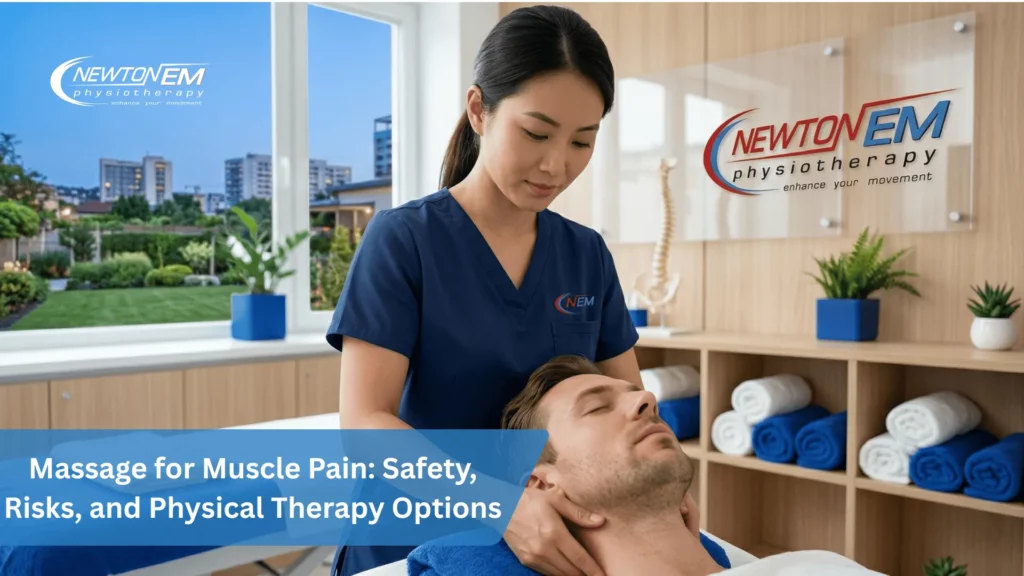
Getting a massage for muscle pain can be highly effective for relieving tension and postural strain, but it is not always the safest choice for every type of injury. If your discomfort stems from repetitive strain injury (RSI), psychological stress, or general muscle fatigue, a gentle massage helps improve blood circulation and relax tight myofascial tissue. However, if you are experiencing acute pain accompanied by swelling, redness, or heat, massaging the inflamed area can worsen the condition. In cases of chronic or acute musculoskeletal issues, consulting a physical therapist for clinical management is a safer and more effective alternative for long-term relief.
What Causes Muscle Pain?
Musculoskeletal discomfort can happen to anyone, whether you are an athlete or a desk worker. To know how to manage the pain, you first need to understand its root cause:
-
Overexertion and DOMS: Pushing your muscles too hard during physical activity causes microscopic tears in the muscle fibers, leading to Delayed Onset Muscle Soreness (DOMS).
-
Postural Strain: Sitting at a desk for prolonged periods without moving leads to “Tech Neck” and chronic myofascial tightness in the neck, shoulders, and lower back.
-
Acute Injuries: Sudden impacts, slips, or rapid twisting motions can cause muscle strains or ligament sprains.
-
Psychological Stress: Emotional anxiety often manifests physically, causing involuntary muscle guarding, particularly in the upper trapezius (leading to tension headaches).
-
Dehydration and Electrolyte Imbalance: A lack of water, potassium, magnesium, or calcium can trigger severe muscle cramps and spasms.
How Does a Massage Help Sore Muscles?
When applied correctly to the right type of muscle fatigue, massage therapy offers several natural benefits for physical recovery:
-
Relieves Myofascial Tension: It helps loosen stiff connective tissues, restoring flexibility to rigid muscles.
-
Improves Circulation: Physical pressure stimulates blood flow, delivering essential oxygen and nutrients needed for cellular repair.
-
Supports Lymphatic Drainage: Gentle strokes can encourage the lymphatic system to flush out metabolic waste products that contribute to inflammation.
-
Releases Endorphins: The therapeutic touch stimulates the release of the body’s natural pain-relieving hormones, promoting mental and physical relaxation.
4 Risks of Massaging Sore Muscles
Many people experience what feels like a “massage hangover”—feeling bruised or more painful the day after a session. Here are four reasons why a massage might cause adverse reactions:
-
Massaging During an Illness: If you have a fever, chills, or a viral infection, receiving a massage can push your body into further exhaustion. A practitioner should always screen for fevers before beginning a session.
-
Aggravating Acute Inflammation: If a muscle is acutely injured (showing signs of swelling, redness, or heat), applying deep pressure will increase tissue damage. Acute injuries require a cold compress for the first 24–48 hours, not a massage.
-
Excessive Pressure: “No pain, no gain” is a myth in soft tissue management. If the pressure applied is too intense, your muscles will tense up defensively, leading to micro-trauma and bruising.
-
Post-Massage Muscle Soreness: If you rarely receive massages or have severe chronic tension, the manipulation of unaccustomed muscles can cause temporary soreness that typically resolves on its own within 1–2 days.
Massage vs. Orthopedic Physical Therapy: Which Do You Need?
While a traditional massage focuses on temporary relaxation, Orthopedic Physical Therapy is a clinical approach aimed at diagnosing and rehabilitating disorders of the musculoskeletal system (muscles, bones, tendons, and fascia).
| Feature | Traditional Massage | Orthopedic Physical Therapy |
| Primary Goal | General relaxation and short-term tension relief. | Long-term pain management and structural rehabilitation. |
| Assessment | Minimal to no clinical assessment. | Comprehensive evaluation of posture, mobility, and mechanics. |
| Best Suited For | Mild fatigue, stress relief, and general tightness. | Chronic back pain, RSI, Plantar Fasciitis, and limited mobility. |
| Tools Used | Hands, massage oils, hot stones. | Clinical modalities, targeted exercise, and manual therapy. |
How Physical Therapy Manages Muscle Pain
If your muscle pain is persistent, a physical therapist can design a personalized rehabilitation plan. Rather than just rubbing the sore spot, they focus on strengthening weak areas and restoring balance.
To help manage deep tissue inflammation and pain, a physical therapist may utilize specific clinical modalities, strictly limited to:
-
Ultrasound Therapy: Uses sound waves to deliver deep heat to soft tissues, promoting blood flow and cellular repair.
-
Low-Level Laser Therapy (LLLT / Cold Laser): A non-invasive light therapy that helps reduce acute inflammation and manages pain without generating heat.
-
Electrical Stimulation: Employs gentle electrical currents to relax overactive muscle spasms and interrupt pain signals.
Conclusion
While a massage for muscle pain can be a wonderful tool for managing daily stress and mild postural strain, it is not a substitute for medical care. If you are dealing with chronic pain, sharp sudden injuries, or recurring discomfort that disrupts your daily life, consulting a healthcare professional or a licensed physical therapist is the best step toward safe, effective, and lasting relief.
Disclaimer: The information provided in this article is for educational purposes only and is not intended to be a substitute for professional medical advice, diagnosis, or treatment. Always seek the advice of your physician, physical therapist, or other qualified healthcare practitioner regarding any medical condition.