

Rib Pain When Breathing: Causes, Symptoms, and Management
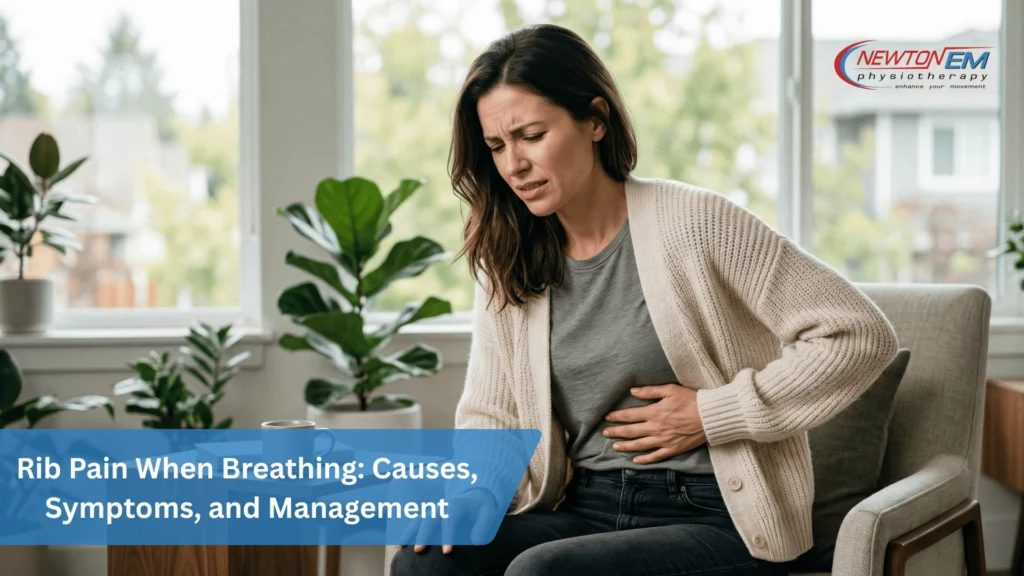
Rib pain when breathing—often described as a sharp, catching, or tight sensation—is typically caused by musculoskeletal issues such as an Intercostal Muscle Strain or Costochondritis (inflammation of the rib cartilage). While these mechanical issues are common and highly manageable with physical therapy, pain that intensifies during inhalation can also be a warning sign of underlying respiratory or cardiovascular conditions. Understanding the difference between a simple muscle strain and a medical red flag is crucial for proper care.
Common Causes of Rib Pain When Breathing
When you take a deep breath, your rib cage expands. If the muscles, cartilage, or tissues surrounding the ribs are inflamed, this expansion causes immediate pain. The causes generally fall into two categories: mechanical (musculoskeletal) and internal medical conditions.
1. Musculoskeletal Causes (Mechanical)
These are the most common reasons for rib pain and respond well to rehabilitative care:
-
Intercostal Muscle Strain: The muscles between your ribs can become overworked or torn due to heavy lifting, sudden twisting, or chronic postural strain.
-
Persistent Coughing: Severe or prolonged coughing fits can aggressively strain the rib muscles and cartilage, leaving them inflamed and tender.
-
Costochondritis: A condition characterized by the inflammation of the cartilage that connects your ribs to your sternum (breastbone). It mimics chest pain and is highly sensitive to touch and deep breathing.
2. Internal Medical Conditions
Sometimes, the pain originates from the organs beneath the rib cage.
| Condition | Description | Associated Symptoms |
| Pleurisy | Inflammation of the lining around the lungs (pleura). | Sharp chest pain when breathing, coughing, or sneezing. |
| Pneumonia | A severe infection in one or both lungs. | Fever, chills, a productive cough, and shortness of breath. |
| Pulmonary Embolism | A blood clot trapped in the lung’s arteries. | Sudden shortness of breath, dizziness, and sudden sharp chest pain. |
| Cardiovascular Issues | Conditions related to the heart, such as ischemia. | Crushing chest pressure, pain radiating to the left arm or jaw. |
When to See a Healthcare Professional
While a strained muscle will gradually improve, you should never ignore signs of respiratory distress. Seek immediate medical attention if your rib pain is accompanied by any of the following “red flags”:
-
Severe pain that does not improve after 24–48 hours of rest.
-
Sudden, unexplained shortness of breath or a feeling of suffocating.
-
Coughing up blood or yellow/green mucus.
-
A high fever, chills, or cold sweats.
-
You have a history of heart or lung disease, or you are an older adult.
Initial Management and Relief Strategies
If your condition has been assessed and is deemed a non-emergency musculoskeletal issue, you can manage the discomfort at home with these initial steps:
-
Rest and Modify Activity: Avoid heavy lifting, twisting, or vigorous exercise until the inflammation subsides.
-
Temperature Therapy: Apply a cold pack for 15–20 minutes to reduce acute swelling, or use a warm compress to relax tight intercostal muscles.
-
Over-the-Counter Relief: Non-steroidal anti-inflammatory drugs (NSAIDs) can be used to manage pain and reduce tissue inflammation (consult a pharmacist or physician first).
-
Diaphragmatic Breathing: Practice slow, shallow breathing initially to avoid over-stretching the ribs, gradually moving to deeper breaths to prevent chest stiffness.
Physical Therapy for Rib and Chest Wall Pain
If your rib pain is related to muscle strains, postural imbalances, or Costochondritis, a physical therapist can design a customized program to restore your mobility and reduce discomfort.
A practitioner may incorporate the following techniques to manage your condition:
-
Targeted Stretching: Gentle thoracic stretches to improve chest flexibility without aggravating the ribs.
-
Foam Rolling: Careful application of a foam roller to the upper and mid-back to release myofascial tension and improve spinal mobility.
-
Core Stabilization: Exercises designed to strengthen the abdominal and lower back muscles, reducing the mechanical load on the rib cage.
-
Clinical Modalities: To accelerate tissue healing and manage deep inflammation, a physical therapist may utilize Ultrasound Therapy or Low-Level Laser Therapy (LLLT). Additionally, Electrical Stimulation can be applied to relax surrounding muscle spasms and block pain signals.
By addressing the structural imbalances and restoring proper breathing mechanics, physical therapy helps manage current symptoms and prevents the recurrence of chest wall injuries.
Disclaimer: The information provided in this article, including text, graphics, images, and other materials, is for educational purposes only and is not intended to be a substitute for professional medical advice, diagnosis, or treatment. Always seek the advice of your physician or other qualified healthcare provider regarding any medical condition.