

Left Rib Pain When Sleeping on Side: Causes & Relief
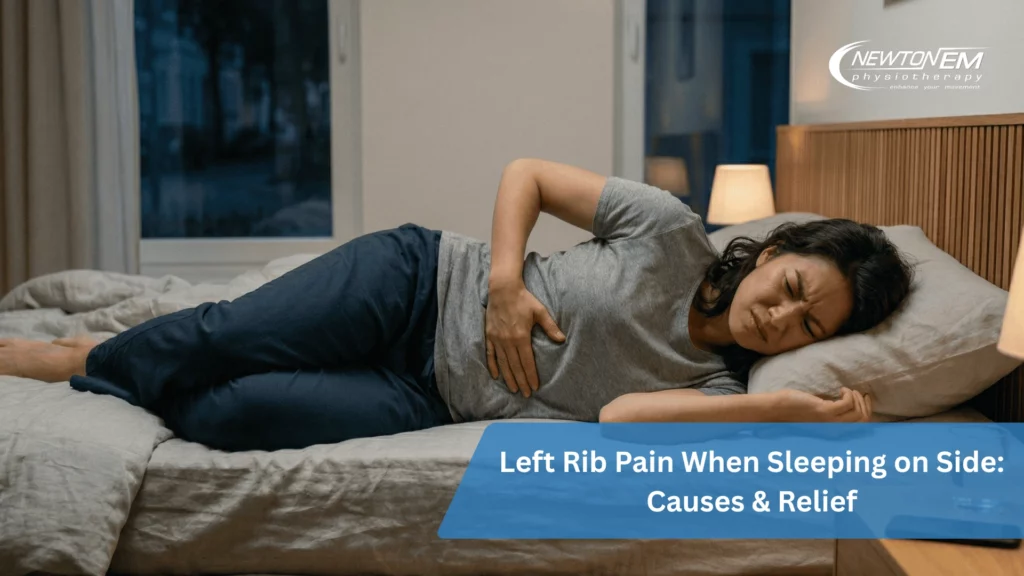
Left rib pain when sleeping on your side
Experiencing left rib pain when sleeping on your side can be alarming. While it might sometimes be the result of a simple awkward sleeping posture causing muscular strain, it can also indicate underlying issues such as Costochondritis (inflammation of the rib cartilage) or nerve compression. Understanding the potential causes—ranging from harmless musculoskeletal issues to more serious medical conditions—is crucial for proper management and knowing when to seek evaluation from a healthcare professional.
Why Does My Left Rib Hurt When I Sleep on My Side?
The ribs are a complex cage of bones, cartilage, and muscles designed to protect vital organs. Pain in this area, especially when localized to the left side and exacerbated by lying down, can stem from the chest wall itself or refer from internal organs.
Here is a breakdown of the potential causes of your discomfort:
1. Musculoskeletal Causes (Most Common)
These issues are typically related to the structure of the chest wall and are the most frequent culprits behind side-sleeping rib pain.
-
Muscle Strain (Intercostal Muscle Strain): The muscles between your ribs can become strained from heavy lifting, forceful coughing, or repetitive twisting motions. Sleeping on the affected side increases pressure and worsens the pain.
-
Costochondritis: This is the inflammation of the cartilage that connects your ribs to your breastbone (sternum). It often presents as a sharp, aching pain that intensifies when you press on the chest or lie on the inflamed side.
-
Nerve Compression: Poor posture or spinal misalignment can pinch the nerves that run along the ribs, leading to a sharp, shooting pain when lying in a certain position.
-
Rib Fracture or Bruise: A previous injury, even a seemingly minor one, can cause a hairline fracture or bone bruise that becomes painful under the weight of your body.
2. Potential Medical Conditions
In some cases, left-sided rib pain may be a symptom of a condition affecting the internal organs:
-
Gastroesophageal Reflux Disease (GERD): Acid reflux can cause a burning sensation in the chest that often mimics rib pain, and lying down typically makes GERD symptoms worse.
-
Lung Conditions: Conditions such as pleurisy (inflammation of the lung lining), pneumonia, or a pulmonary embolism can cause chest pain that worsens with deep breathing or certain sleeping positions.
-
Shingles: Before the characteristic rash appears, shingles can cause intense, burning pain along the nerve pathways on one side of the rib cage.
-
Heart Issues: While less common to present only when lying down, cardiovascular issues should always be considered if the pain is severe or accompanied by other symptoms.
When Should You See a Doctor?
While many causes of left rib pain are manageable, you should seek immediate medical attention if you experience any of the following “red flag” symptoms:
-
The pain is severe, crushing, or radiating down your left arm or up to your jaw.
-
You experience shortness of breath, dizziness, or a rapid, irregular heartbeat.
-
You have a high fever, chills, or a persistent, productive cough.
-
The pain does not improve after 1–2 weeks of rest.
Initial Management and Relief Strategies
If your pain is mild and suspected to be muscular, there are several steps you can take to manage the discomfort:
-
Adjust Your Sleep Position: Try sleeping on your back or your right side. Use supportive pillows to alleviate pressure on the left rib cage.
-
Hot and Cold Therapy: Apply a cold pack for the first 48 hours to reduce acute inflammation, then switch to a warm compress to relax tight muscles.
-
Gentle Stretching: Engage in light, pain-free mobility exercises to prevent stiffness in the chest wall, but avoid any movements that aggravate the pain.
-
Rest: Avoid heavy lifting, twisting, or strenuous activities that could further strain the intercostal muscles.
Prevention and Long-Term Management
To prevent recurrent musculoskeletal rib pain, focus on maintaining good structural health:
-
Practice Good Posture: Avoid slouching or sitting in awkward positions that compress the chest cavity.
-
Proper Exercise Technique: Ensure you use the correct form during physical activities, especially when lifting weights or engaging in rotational sports.
-
Physical Therapy: If the pain is recurrent, a physical therapist can design a customized program to strengthen your core and back muscles, improving overall chest wall stability. They may also utilize modalities like Ultrasound or Low-Level Laser Therapy (LLLT) to manage deep tissue inflammation and promote healing.
Understanding the root cause of your left rib pain when sleeping on your side is the key to effective management. If your symptoms are persistent or concerning, always consult with a healthcare professional for a comprehensive evaluation.
Disclaimer: The information provided in this article, including text, graphics, images, and other materials, is for educational purposes only and is not intended to be a substitute for professional medical advice, diagnosis, or treatment. Always seek the advice of your physician or other qualified healthcare provider with any questions you may have regarding a medical condition.